Application analysis and measurement
Confirm the machine, screw diameter, L/D, shot size, material, molding cycle and current part defects.

Starting from the customer's actual application, we match screw material, geometry, machining and surface treatment to stabilize plasticization, improve part consistency and reduce the total cost of downtime, rejects and replacement.
The screw must match the machine's injection unit, the resin's flow and abrasive behavior, the part geometry and mass-production quality target. We first collect the machine, screw size, resin and filler, cycle and defect data, then define geometry, substrate, heat treatment, surface treatment and barrel fit.
Our core is not simply selling a screw, but delivering a custom solution that runs reliably under real production conditions.The right screw helps reduce black specks, yellowing, uneven plasticization, dimensional variation and abnormal wear, lowering total cost through better yield, less downtime, reduced maintenance and longer life.
From material and geometry to surface and dimensions, every operation is defined around the real application, with inspection records for traceability and repeatability.
Confirm the machine, screw diameter, L/D, shot size, material, molding cycle and current part defects.
Select the substrate for wear, corrosion, temperature and torque, then design the feed, compression and metering sections.
Turning, drilling, milling and thread forming are completed with the correct allowance for heat treatment and final precision finishing.
Apply quench and temper, nitriding, hardening or other strengthening processes as required, balancing surface hardness with core toughness.
Select alloy cladding, plating, PVD or high-gloss finishing for the application to improve wear resistance, corrosion resistance and cleanliness.
Control flight dimensions, straightness, concentricity and working-surface finish to reduce material hang-up and abnormal friction.
Inspect outside diameter, channel depth, lead, non-return components and actual barrel clearance to confirm critical dimensions.
Drawings, materials, heat-treatment and inspection records are retained to support installation, trials, repeat orders and further optimization.
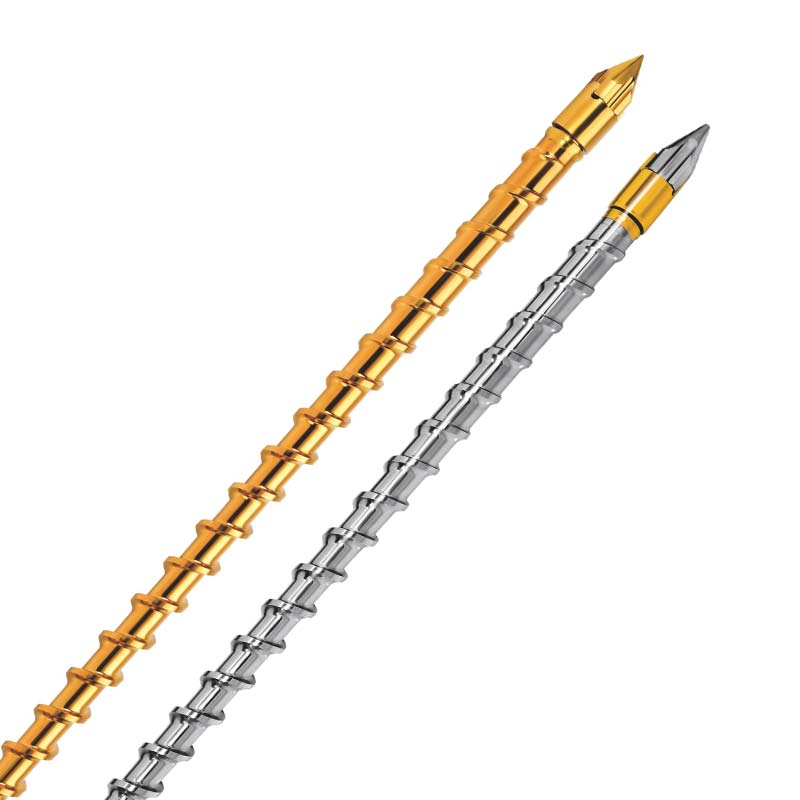
The same resin can require completely different compression ratio, channel depth, mixing capacity and surface solution on different machines, shot sizes, parts and cycles. We design from your production data instead of applying one generic geometry to every process.
Injection-machine brand and model, screw diameter, L/D, shot size, speed, back pressure and barrel condition.
Resin grade, glass-fiber or mineral loading, flame-retardant system, viscosity, corrosiveness and processing temperature.
Part dimensions, transparency or gloss, color, structural strength, observed defects and batch-consistency targets.
Molding cycle, daily output, yield, material-change frequency, planned life, maintenance window and budget.
A screw is not judged by purchase price alone. Real cost depends on plasticization stability, rejects, cycle consistency, unplanned downtime and whether the screw and barrel maintain useful life in the target process.
Make recovery, mixing and metering more repeatable, reducing repeated parameter adjustment and batch variation.
Match geometry and surface treatment to black specks, yellowing, exposed fiber, color variation, dimension and gloss issues.
Reduce hidden costs by lowering scrap, purging time, unplanned downtime and replacement frequency.
Choose materials and processes for the actual wear and corrosion level so critical dimensions remain stable through the target period.
Select any solution to see its recommended product, molding requirements, part-quality targets, stability controls and screw function.
For transparent PC, PMMA, PPSU and optical structures, with emphasis on shear heat, material stagnation and cleanliness.
View solution →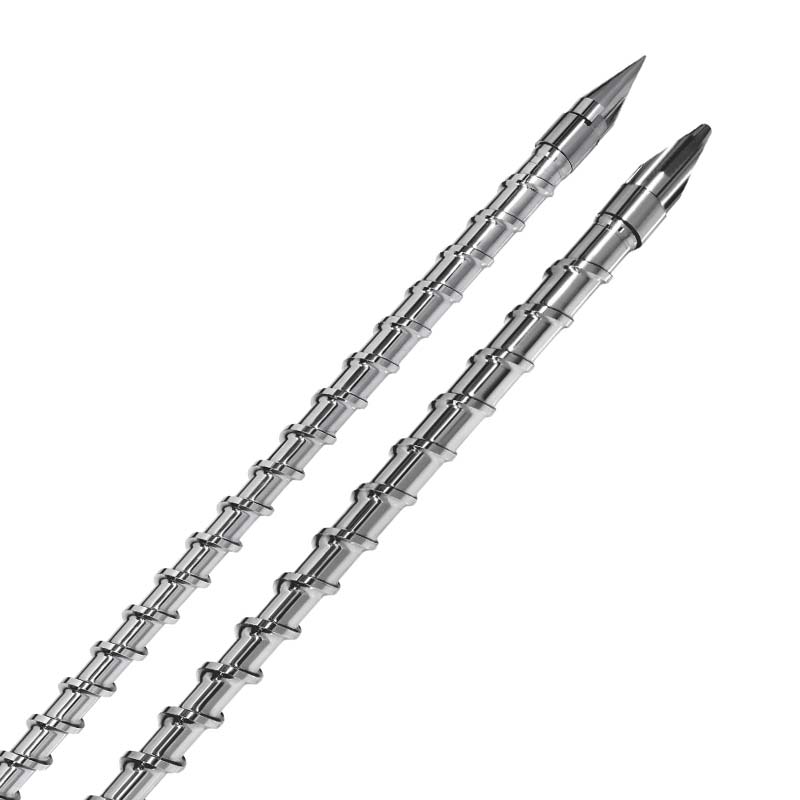
For glass-fiber, mineral-filled and highly abrasive compounds, balancing high hardness, core toughness and long-term dimensional stability.
View solution →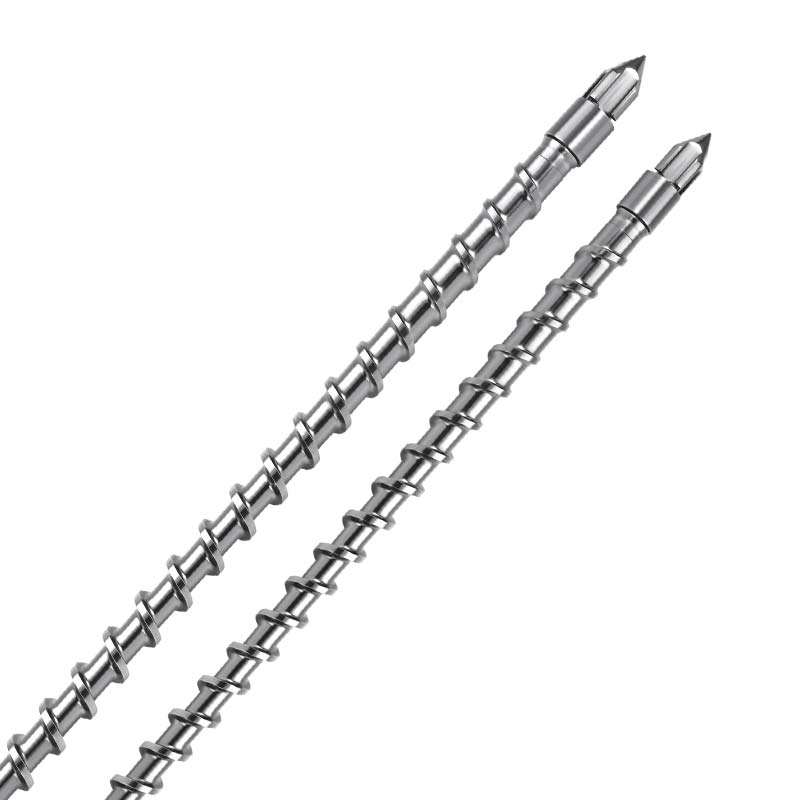
Balance wear resistance, corrosion resistance and clean high-gloss plasticization for flame-retardant, reinforced and corrosive materials.
View solution →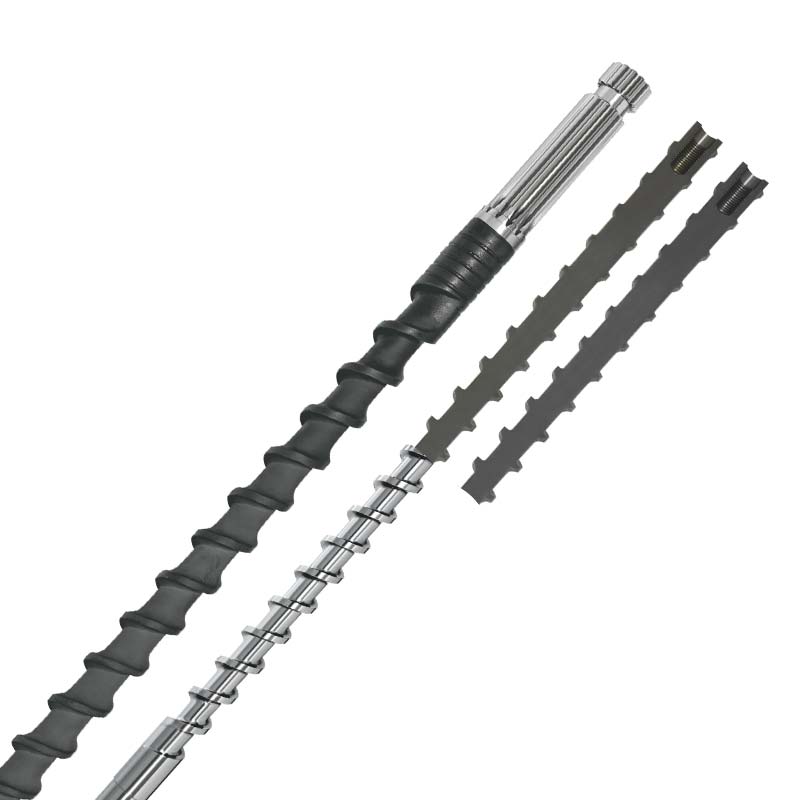
A continuous alloy protection layer over the working area handles severe corrosion, flame-retardant compounds and prolonged high-temperature service.
View solution →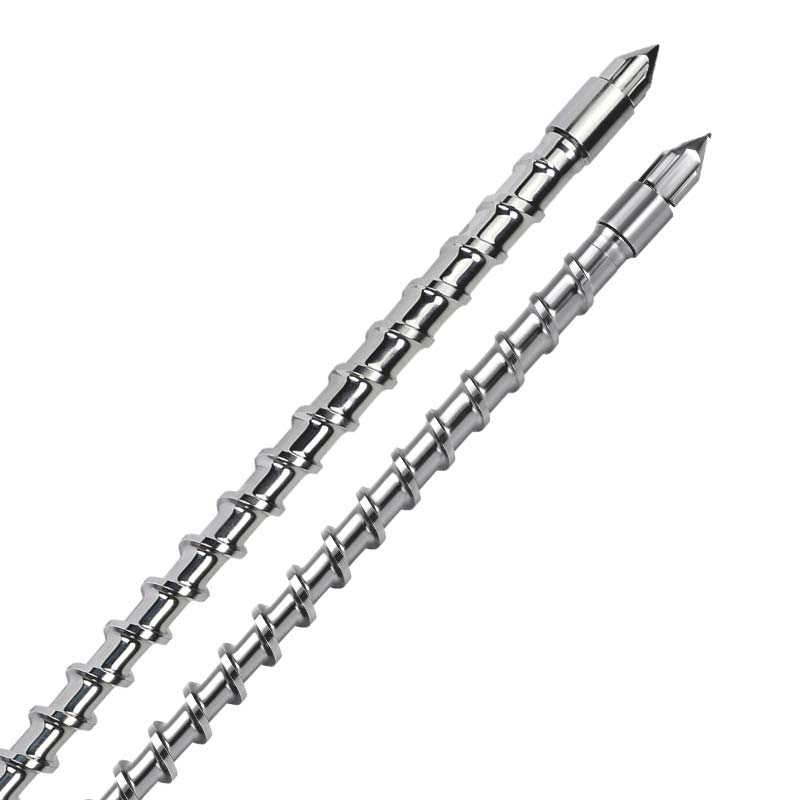
For LCP, PPS, PEEK and highly filled fiber or powder compounds, balancing high temperature, high torque and precision metering.
View solution →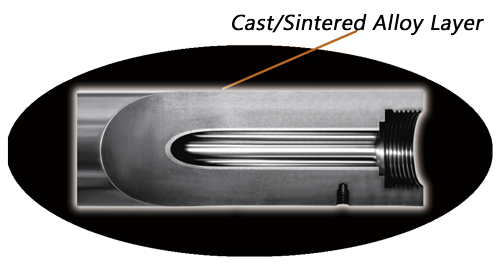
Match the screw, alloy barrel, non-return components and actual clearance as one system to correct unstable recovery and part-weight variation.
View solution →Please provide material type, filling ratio, injection molding machine brand and model, screw diameter, product issues and estimated quantity, and we will evaluate the screw, barrel and surface options accordingly.